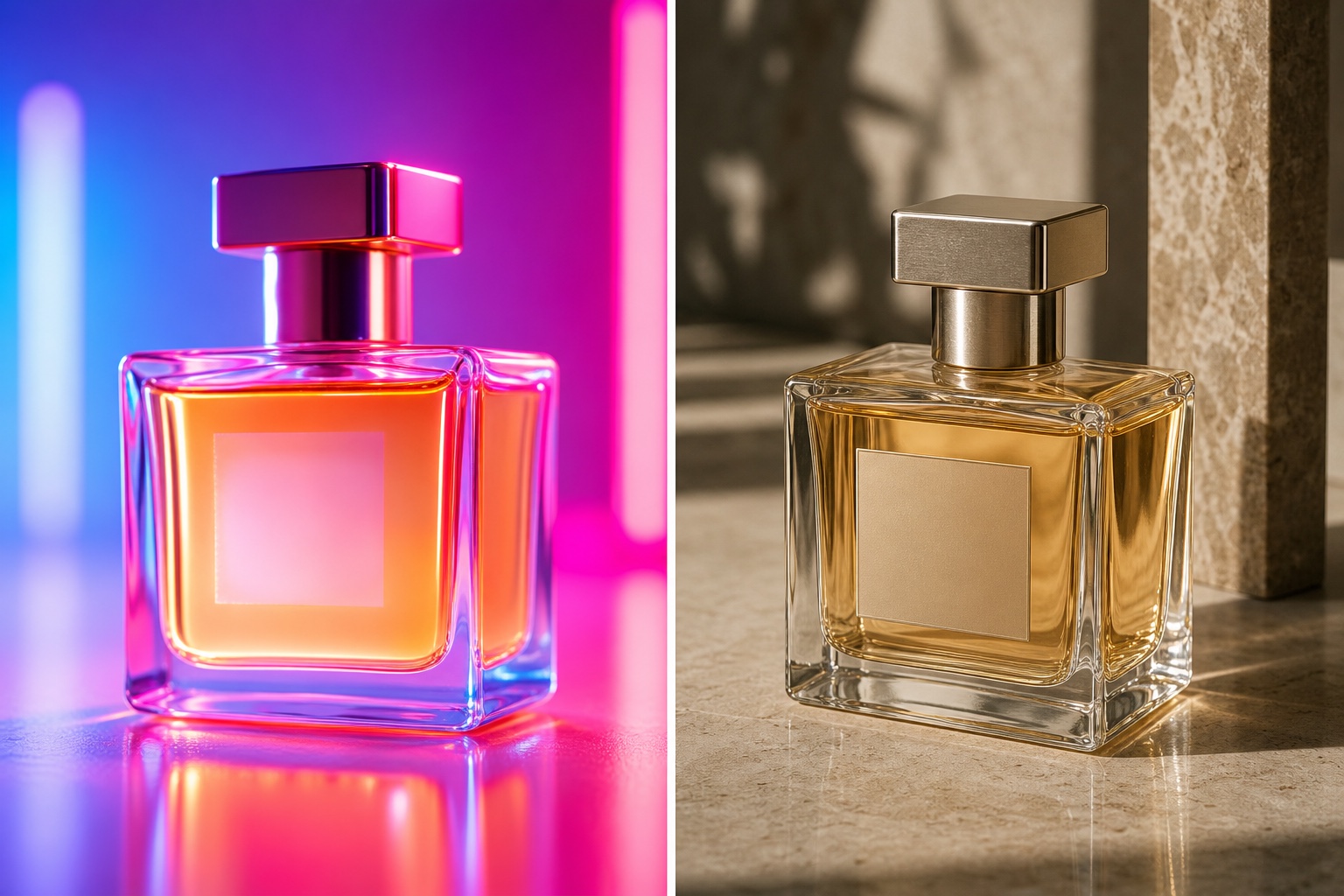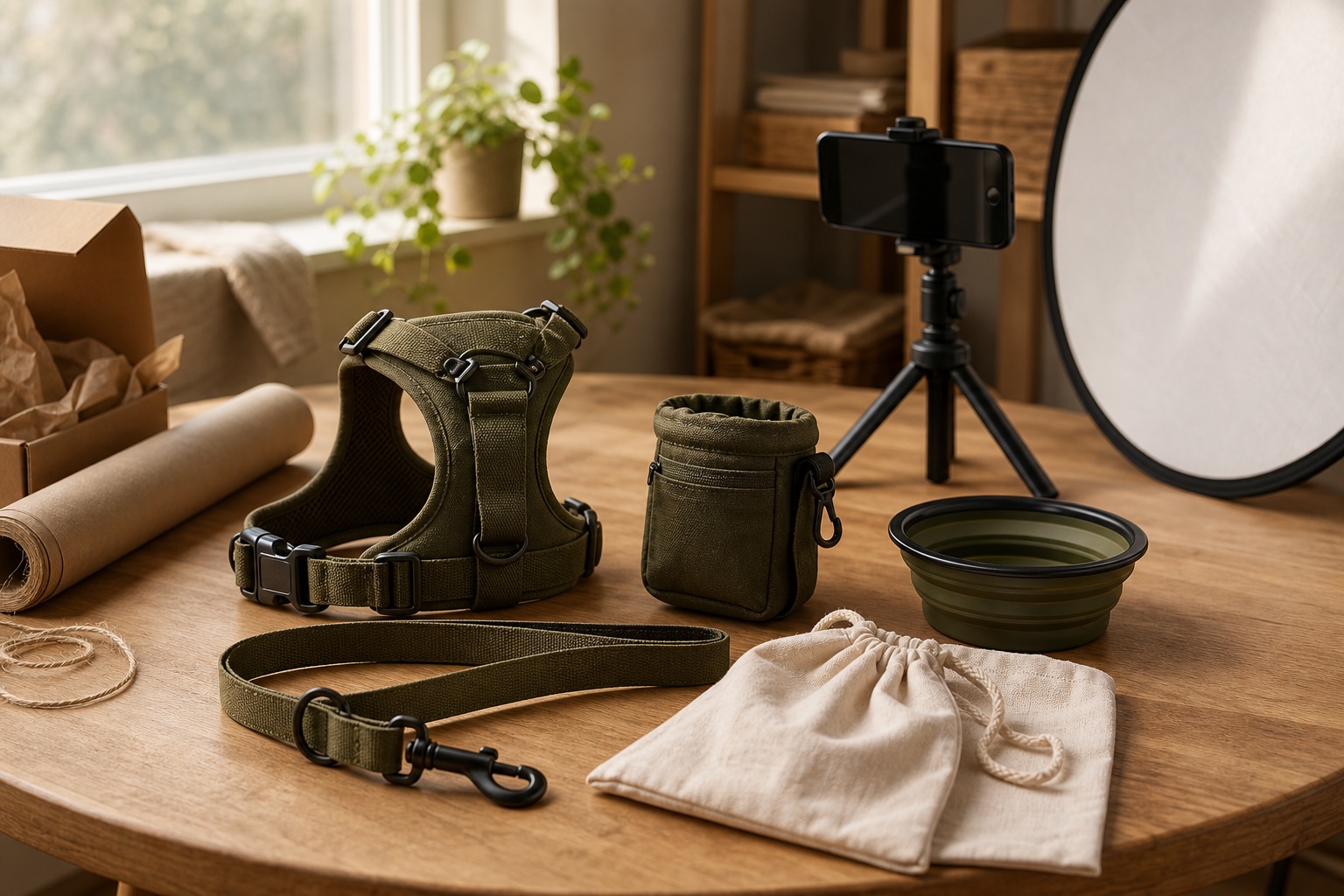
The ROI of product photography is not one universal conversion-lift number. It depends on the product, traffic quality, price point, page trust, and how clearly the images answer the buyer's questions. Better images help when they make the product easier to understand, easier to trust, and easier to imagine owning.
Every e-commerce operator knows the feeling: you have optimised ads, tuned targeting, and traffic is flowing, but conversions plateau. Sometimes the bottleneck is the offer, price, page speed, reviews, or shipping. But very often, the product images are not doing enough commercial work.
What product photos actually change
Product photography affects three practical buying questions: what is it, will it fit my life, and does this brand feel trustworthy enough to buy from? A plain cutout can answer the first question. A stronger gallery answers all three.
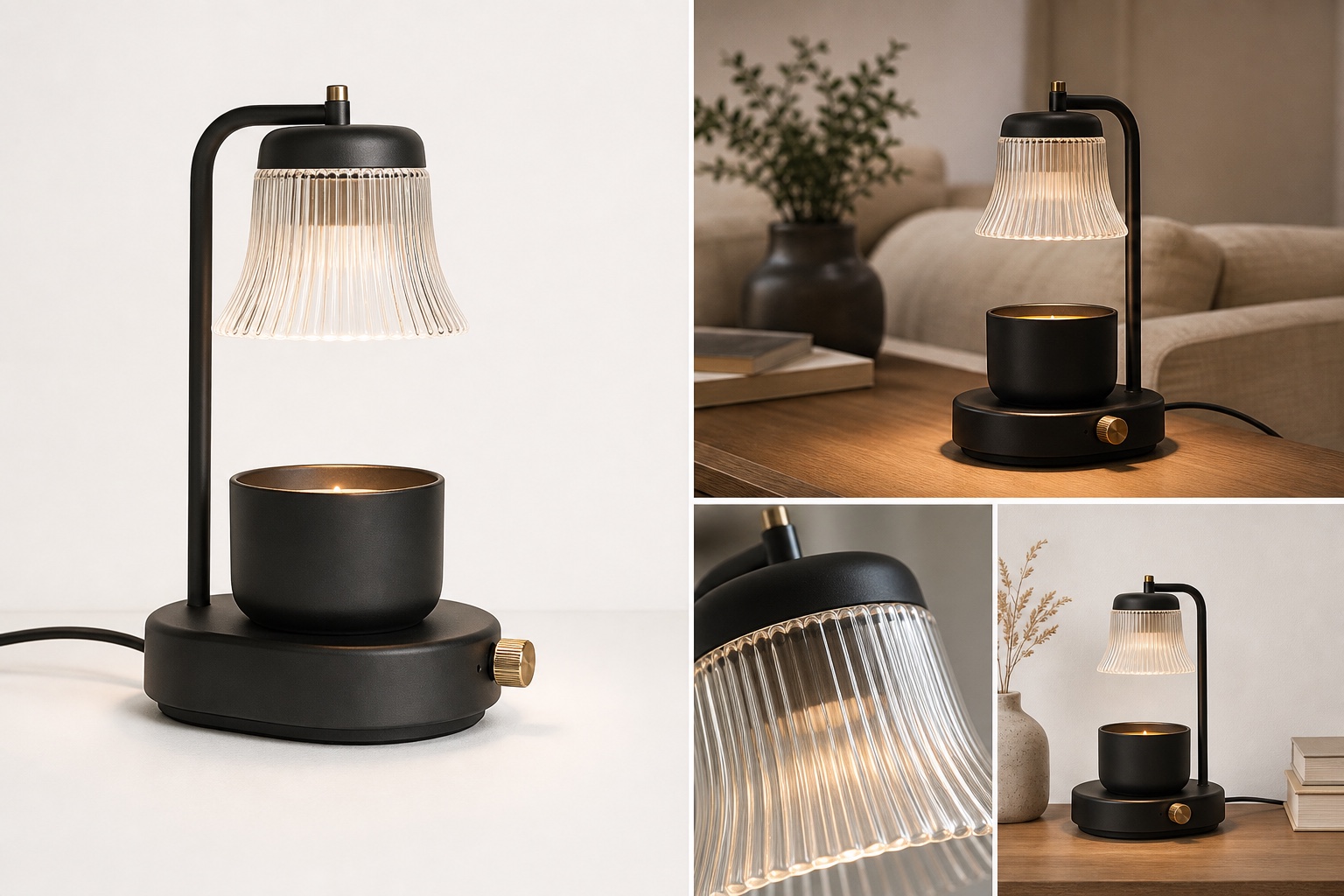
That is why a high-performing product page usually needs a small system of images, not one pretty hero:
- Studio-clean images show shape, colour, materials, and product edges.
- Detail images answer texture, finish, hardware, ingredients, scale, or craftsmanship questions.
- Lifestyle images show how the product feels in use or in a real environment.
- Channel variants let the same product work across PDP, ads, email, social, and marketplace listings.
The traditional trade-off
Professional product photography has always forced a trade-off. Studio shoots can produce excellent assets, but every new product, angle, crop, background, season, and channel variant adds cost, coordination, and time. For a larger catalogue, the pressure is not only the first shoot. It is keeping the whole catalogue current and consistent.
This pushes many brands into a compromise: polished visuals for hero products, weaker photos for long-tail SKUs, and a mix of crops, lighting, and backgrounds across the store. That inconsistency quietly lowers trust.
Where AI-assisted content changes the equation
AI-assisted product content does not remove the need for quality control. It changes the production model. Instead of treating every new image as a separate shoot, a brand can build a repeatable creative system around product truth: clean PDP assets, lifestyle context, campaign imagery, ad variants, and review checkpoints.
If you want a page-level read on where your current visuals are leaking conversion, start with the free PDP Audit. Then pair this ROI view with our breakdown of why AI product photos still look fake and the practical small-brand implementation guide.

For Ripli, the goal is not to make every image look like the same AI template. It is to create a controlled set of useful commercial assets around the same product: studio-clean, lifestyle, editorial, ad-ready, and channel-specific.
Investing in content quality pays for itself
The safest way to think about ROI is as a break-even model, not a promise. If a product gets meaningful traffic, even a small improvement in buyer confidence can matter. For example, a £30 product with 1,000 monthly visitors and a 2% conversion rate generates about £600 in monthly revenue. If stronger imagery helped that page move to 2.2%, the difference would be about £60 per month, or £720 per year, from that one listing.
That example is illustrative, not a guaranteed result. The real point is that product images sit at the point where paid traffic, shopper trust, product understanding, and brand perception meet. When the images are weak, every other growth channel has to work harder.